

Rain‑Hit 40‑Over Duel, India’s Attack & Jaiho Arcade Apk Download

Published 2026-11-12 · By Varun Parekh (IPL Auction & Fantasy Strategy Editor · Mumbai Desk)
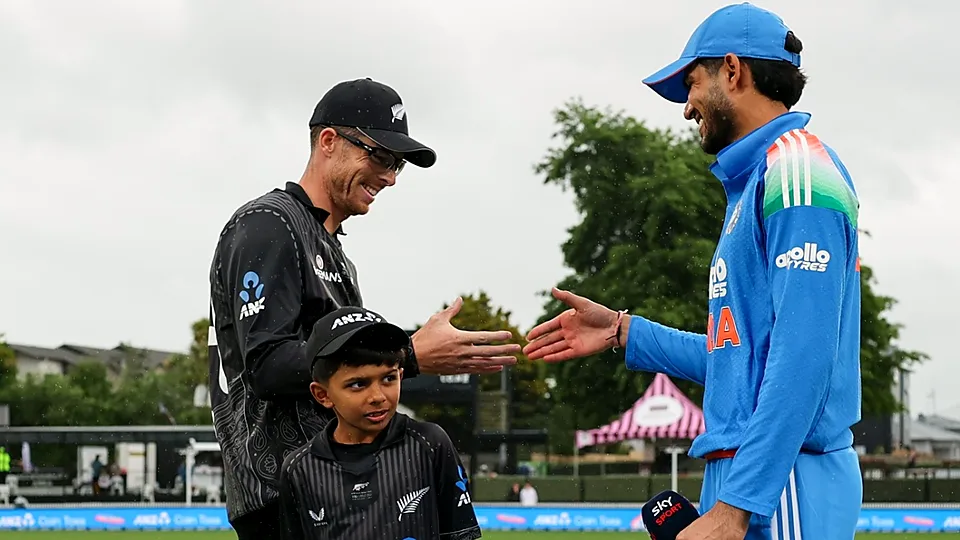
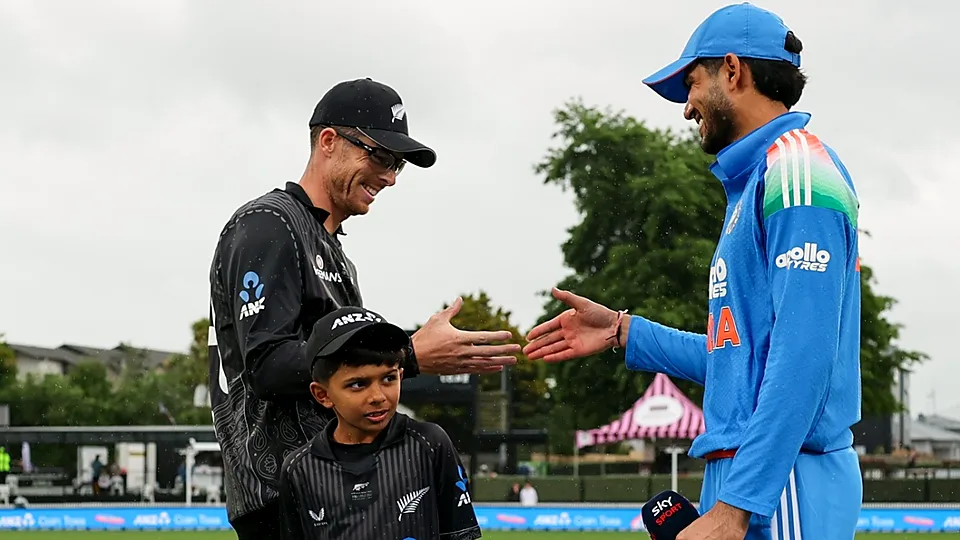
12:45 IST, the drop‑gate opened and the toss was delayed as a drizzle clung to the outfield. The umpires signalled a 40‑over game, yet India’s captain refused to tweak the attack. Same five bowlers, same spell‑lengths – a bold gamble when the sky threatens a second wash‑out.
Impact Player Gambit: NZ’s Fisher for Tickner
New Zealand’s bench‑coach pulled the trigger early – swapping Tickner for the left‑arm seamer Fisher. The move felt like an Impact Player call, even though the rule still sits in the back‑log of IPL drafts. Fisher’s skiddy hard‑length is perfect for a sticky red‑soil track that turns slick after a few overs of rain. The question is simple: will the extra pace offset the reduced overs, or will the extra bowler just add another variable to a game already teetering on a weather‑induced cliff?
Left‑Right Baton Pass Against Wrist‑Spin
India’s middle order is a textbook left‑right combo: the left‑handed Sharma, the right‑handed Rahul, then the left‑handed Dhawan. Against New Zealand’s wrist‑spinners, that switch can force the bowler to constantly adjust the line. The wrist‑spin arm can’t settle into a groove when the batting order flips every two balls. It’s a tactic we see at the IPL auction table – value left‑right pairs high, especially on grounds where the boundary‑percentage is under 70 %.
Boundary Dimensions and the Dew Factor
Mumbai’s Wankhede has a short mid‑wicket and a deep square leg. In a rain‑shortened match, teams often target the shorter boundaries to stretch the scoring rate. But the dew factor after 8:30 PM IST will make the ball skid faster, turning those short fences into easy six‑opportunities. The bowling captain must decide: attack the line aggressively and risk leaking runs, or bowl tighter, banking on wickets from the sticky sections.
Pre‑Toss XI Dilemmas: Who Bats, Who Bowls?
Before the toss, India’s selector list read like a Ranji grind résumé. The big dilemma: slot the all‑rounder Rahul in the top‑order or keep him as a finish‑er? The answer hinges on the rain forecast – a shorter game rewards a power‑hitting top‑order, but a possible rain‑stop could see the middle overs become a slog. The decision also impacts the Impact Player slot, which many teams are still trying to decode. Will the side‑arm seamer get the nod as the extra bowler, or will the captain stick to the tried‑and‑true combo?
Jaiho Arcade Apk Download – The Distraction Off‑Field
While the stadium chatter revolves around overs and wickets, a parallel buzz circulates on the stands: fans swapping tips for the latest jaiho arcade apk download. It’s the digital equivalent of a street‑side chai stall – everyone wants a slice of the action, even if it’s on a phone. The irony isn’t lost on us scouts: while players chase runs, fans chase high scores in an arcade world. It underscores a broader trend – cricket’s audience is now multitasking, demanding both on‑field drama and off‑field entertainment.
Strategic Takeaways for the Auction Room
What does this rain‑soaked encounter teach the IPL auction floor? First, the value of a versatile Impact Player – someone who can slot in at a moment’s notice and still deliver on a wet pitch. Second, left‑right batting pairs are no longer a novelty; they’re a defensive bulwark against wrist‑spin in clutch situations. Third, teams must factor boundary dimensions into their bidding for power‑hitters versus death‑overs specialists. Finally, the off‑field digital appetite – evidenced by the surge in jaiho arcade apk download searches – signals that franchises should scout for players who can market themselves beyond the boundary.
In a day where clouds dictate strategy, the core lesson remains simple: flexibility wins. Whether you’re tweaking the XI at the toss, swapping a bowler for an Impact Player, or watching fans tap away at a mobile game, the side that adapts fastest will walk away with the bragging rights – and perhaps a few extra sixes under those short mid‑wicket ropes.
Related coverage
- From home-schooling to heroics: WPL's new generation rewrites the script
- Gambhir’s Great Divide: A Tactical Split to Save the Test Series

Updated 2026-11-12 · Instant Rupee Deposits & 60s Withdrawals · 24/7 Support.
Access Official LaptopBurka Portal →National Series Correspondent · Pune Desk
Nisha Agarwal reports on franchise leagues, the WPL, and domestic Indian tournaments for LaptopBurka. Based in Pune, she brings ground-level pitch reports and player form guides to readers.
Reader Discussion & Match Reactions (4)4.9★ Community (4 Comments)
Verified Indian cricket reader perspectives & tactical debate on laptopburka.com
With rain cutting the match to 40 overs, I’d build the fantasy XI around India’s Sharma–Rahul–Dhawan middle order and avoid overvaluing Tickner after Fisher replaces him. Fisher’s hard lengths may suit the slippery Wankhede surface, but a short spell caps his ceiling for points.
The tactical puzzle is whether India’s unchanged five-bowler attack can exploit Wankhede’s short mid-wicket without wasting a new ball on a tacky surface. Bringing Fisher in for Tickner adds pace, yet it also risks an extra bowler in a 40-over game. That is a fine line between match-up gain and over-management risk.
Bhai, this Fisher-for-Tickner swap has proper paisa vasool energy—hard lengths on a sticky Wankhede pitch can wreck New Zealand’s rhythm. But India keeping the same five bowlers for 40 overs? Yaar, that is pure confidence. The short mid-wicket also gives Sharma, Rahul and Dhawan quick boundary options if the ball stays on the deck.
@Shubham_Rao I’d still be cautious upgrading Dhawan in your XI if New Zealand’s wrist-spinners dominate, because the Sharma–Rahul–Dhawan left-right sequence can unsettle their rhythm. Also, don’t treat Fisher as a guaranteed Impact Player: the article says that rule remains in the IPL drafts’ back-log, so the tactical swap alone does not lock his fantasy role.
Join the Discussion (4 Reader Comments)
Related Articles
See All
Jaiho Arcade Apk Download: Complete 2026 India Guide, Live Updates & Verified Access
Oct 17, 2026
Pakistan fielding coach Shane McDermott quits
Jul 12, 2026