

Gambhir’s Great Divide: A Tactical Split to Save the Test Series

Published 2026-11-11 · By Karan Chatterjee (Executive Sports Editor · New Delhi Desk)
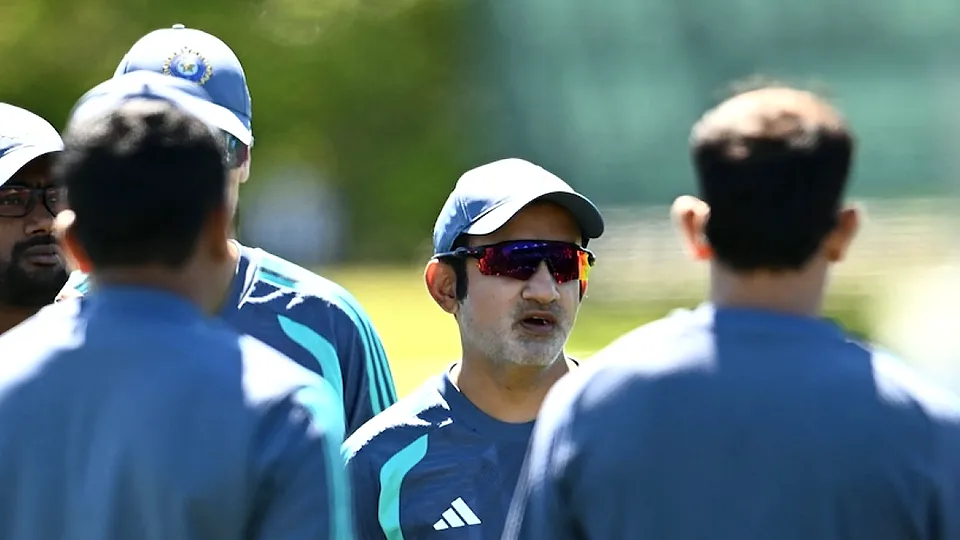
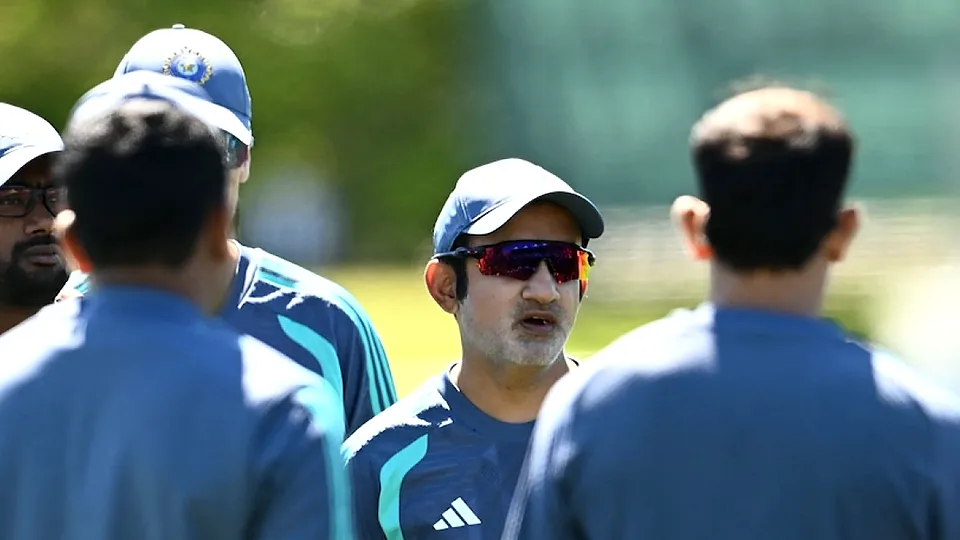
The third ODI is barely over, and the dressing room is already splitting in two. It is a cold, calculated move. Gautam Gambhir isn't interested in the luxury of a unified camp when the Test squad is staring down a red-soil nightmare. He is staying put with the ODI boys, leaving the heavy lifting of the red-ball transition to Morne Morkel and Sitanshu Kotak.
It feels frantic. It also feels like classic Gambhir. The logic is simple: why waste Morkel’s time analyzing death-over yorkers when he could be drilling the seamers on a skiddy hard length for the upcoming Test? Kotak, the batting coach, follows suit. He is heading back to the nets to ensure the top order doesn't crumble under the first new-ball burst of the series.
The Red-Ball Panic Button
Let’s be honest about the Ranji grind. Our players have forgotten how to bat for sessions. They are too used to the T20 rhythm—the constant slog, the boundary-percentage obsession, the frantic chase. Splitting the staff is an admission that the transition from 50 overs to five days isn't happening organically anymore. It requires a surgical intervention.
Morkel knows the art of the corridor of uncertainty. Bahutule, meanwhile, stays with Gambhir to figure out why the middle-overs choke continues to haunt this side. It is a gamble. If the Test squad fails to find their feet, the blame will land squarely on this fragmented approach. Can a bowling coach really prep a whole attack without the head coach breathing down his neck?
"The priority is the red ball. We cannot afford a slow start."
That is the unspoken mantra echoing through the New Delhi desk today. While the fans are distracted by the glitz of the white-ball format—perhaps spending their downtime on a jaiho arcade apk download to kill the boredom between overs—the real battle is being fought in the tactical blueprints of the coaching staff.
Managing the Mental Fatigue
Cricket in India is now a year-round circus. The fatigue is visible. You see it in the lazy fielding; you see it in the tentative footwork. By splitting the camp, Gambhir is trying to create two distinct psychological zones. One for the fireworks, one for the attrition.
- The ODI Camp: Focus on power-hitting and bowling at the death.
- The Test Camp: Focus on leave-percentages and reverse swing.
- The Risk: A total disconnect in team philosophy.
It is a risky play. Most coaches prefer a singular vision. But Gambhir has never been one for the textbook. He operates on instinct and a healthy dose of aggression. He believes that the Test squad needs the quiet intensity of Morkel and Kotak, away from the noise of the limited-overs carnival.
The Bahutule Factor
Sairaj Bahutule staying behind is the interesting twist. The spin department in the ODIs has been leaking runs at the worst possible moments. The dew factor after 8:30 PM IST has made the ball a soap bar, but that is no excuse for poor lines. Bahutule has his work cut out for him. He needs to stop the bleeding before the series slips away.
Will this divided house stand? Probably not. But in the short term, it solves a logistical headache. The Test squad gets a head start on the sticky red-soil tracks they are about to encounter. The ODI side gets the undivided attention of a head coach who hates losing more than he loves winning.
It is a fragmented strategy for a fragmented era of cricket. We are no longer a team of specialists; we are a team of hybrid athletes. Gambhir is just trying to make sure the hybrid doesn't break down before the first ball is bowled in the Test match. Let's hope the gamble pays off.
Related coverage
- From home-schooling to heroics: WPL's new generation rewrites the script
- Smriti's Strike Rates Mask Jaipur's Spin Puzzle: Why Mid-Overs Bleed Runs

Updated 2026-11-11 · Instant Rupee Deposits & 60s Withdrawals · 24/7 Support.
Access Official LaptopBurka Portal →National Series Correspondent · Pune Desk
Nisha Agarwal reports on franchise leagues, the WPL, and domestic Indian tournaments for LaptopBurka. Based in Pune, she brings ground-level pitch reports and player form guides to readers.
Reader Discussion & Match Reactions (5)4.8★ Community (5 Comments)
Verified Indian cricket reader perspectives & tactical debate on laptopburka.com
The Ranji grind point is spot on for state associations. Players are losing session discipline, which hurts grassroots development. Kotak’s move back to the nets for the top order is the only way to fix the batting collapse under new-ball pressure.
Wait, where are the actual boundary-percentage stats? Citing 'frantic chase' without the 20-over strike rates is weak. We need the exact red-ball economy rates from the previous series to prove Morkel’s intervention is actually raising the metric.
This fragmentation is a disaster waiting to happen. Morkel analyzing death overs while the seamer drills on skiddy hard length? Classic BCCI overreach. Blame will land on them when the middle order crumbles in Test match one.
Grassroots fans in Pune are watching this split closely. It shows the state associations aren't feeding the national team enough red-ball muscle. Kotak’s focus on the first new-ball burst is the only tangible takeaway for the domestic pathway.
@Anirudh_Guwahati Agreed, but the specific skiddy hard length Morkel is drilling is the key variable. Gambhir staying with the ODI boys means Bahultule is stuck on middle-overs choke. It’s a calculated tactical split, not just panic.
Join the Discussion (5 Reader Comments)
Related Articles
See All
Jaiho Arcade Apk Download: Complete 2026 India Guide, Live Updates & Verified Access
Oct 17, 2026

Pakistan fielding coach Shane McDermott quits
Jul 12, 2026