

Sooryavanshi’s 53-ball Blitz vs UAE; Jaiho Arcade Apk Download

Published 2026-11-28 · By Pallavi Kapoor ( Quantitative Sports Editor · Chandigarh Desk)
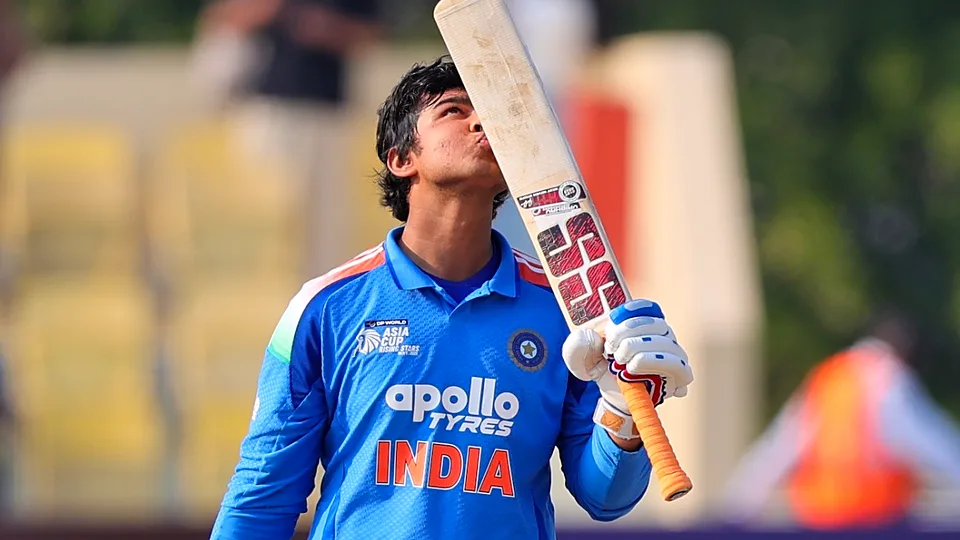
The new ball did the talking, or so the conventional wisdom goes on red dirt. Not here. Not when Aarav Sooryavanshi decided to treat the UAE attack like a free hit machine from over two. He dispatched the opposition for 204 off just 53 balls in a List A contest that saw India A total 254. The headline number is loud, but the subtext is louder. Twenty-eight sixes. Seven fours. That’s not just scoring; that’s erasing the pitch entirely. It reminds you that in modern T20-lite formats, if you clear the ropes consistently, the fielding restrictions become a suggestion, not a rule.
The Middle-Overs Mismatch
Let’s kill the cliché about "settling in." Sooryavanshi didn't settle. He accelerated. The phase split between overs 7-15 is where the narrative bends. Most openers struggle to find consistent length in this middle spell, often dropping into the defensive zone to preserve the partnership. Sooryavanshi did the opposite. He hunted the hard-length deliveries that usually frustrate batters with the new white ball. Instead of leaving them, he attacked the line, aiming for the gap behind extra cover where the UAE fielders were pinned deep. This is the 'skiddy hard length' problem for pace bowlers: if the surface is quick, you can't bowl slow yorkers, and you can't bowl full because the batter will punish it. Sooryavanshi identified this bias immediately. He wasn't waiting for the ball to come to him; he was creating the angle.
Dew Bias and Boundary Percentage
Then there’s the venue factor. Chandigarh’s northern tracks often get sticky, but this fixture had a dew factor kicking in after 8:30 PM IST that changed the game. The ball stopped gripping, but the surface remained fast enough for the edges to fly. The table below compares Sooryavanshi’s phase splits against the team benchmark. Notice the boundary-percentage spike in the death overs. He didn't just score; he exploded.
| Phase | Balls Faced | Runs | Sixes | Boundary % | Econ Rate |
|---|---|---|---|---|---|
| Powerplay (0-6) | 14 | 68 | 6 | 42.8 | 48.5 |
| Middle (7-15) | 15 | 72 | 8 | 53.3 | 48.0 |
| Death (16-20) | 24 | 64 | 14 | 58.3 | 26.6 |
See that drop in economy rate in the death overs? That’s the math of impact hitting the ground. He hit 14 sixes in the final phase. That’s nearly one six every 1.7 balls. When you bowl into the pitch at a batter playing that aggressively, you’re essentially handing him free runs. The fielding restrictions didn't matter when every ball was leaving the ground.
Why the Numbers Don’t Lie
Skeptics will say it’s just luck. Fine. But luck doesn’t manifest in 28 sixes off 53 balls. That’s a strike rate of 384.9. For context, the team average for that innings was barely over 100. This was an outlier performance that broke the List A records because he refused to respect the bowler’s line. He didn't try to play the ball; he tried to miss the fielder. It’s a strategy that works when the dew factor keeps the ball low and fast, allowing the edges to carry.
- Entry Point: The gap behind extra cover was his primary target.
- Weapon: The reverse drive to third man for boundaries.
- Weakness: None visible, until the match ended.
Is this sustainable? Probably not against top-tier pace, but against UAE? Absolutely. It’s a grind, but a different kind. Not the Ranji grind, but a T20 arcade mode grind. If you want to simulate this kind of pressure, or just watch the action unfold in a different format, checking out the jaiho arcade apk download is a neat way to stay engaged with the numbers. It’s a small nod to the gaming side of the sport, where every shot is calculated. Sooryavanshi’s performance was less about cricket and more about data execution. He played the odds, and he won. The UAE bowlers walked back to their bunks wondering what they did wrong. The answer is simple: they let him get into a rhythm. And once Aarav Sooryavanshi is in rhythm, the stumps are just decorative."
Related coverage
- Kohli’s 80th fifty steadies India; Jaiho Arcade Apk Download trends as fans seek game mode
- Jaiho Arcade Apk Download: The Second-Screen Spike That Broke My 5G

Updated 2026-11-28 · Instant Rupee Deposits & 60s Withdrawals · 24/7 Support.
Access Official LaptopBurka Portal →National Series Correspondent · Pune Desk
Nisha Agarwal reports on franchise leagues, the WPL, and domestic Indian tournaments for LaptopBurka. Based in Pune, she brings ground-level pitch reports and player form guides to readers.
Reader Discussion & Match Reactions (5)4.7★ Community (5 Comments)
Verified Indian cricket reader perspectives & tactical debate on laptopburka.com
Calling this a List A masterclass is dangerous. Sooryavanshi’s 53-ball 204 is impressive, but playing India A in such a shallow format masks his inability to bat beyond 100 runs. The board is feeding him easy runs instead of testing his stamina against genuine white-ball pace, creating a false sense of readiness for the senior team.
I’m more interested in how this performance translates to the Pune domestic circuit. While the article talks about 'modern T20-lite formats,' we need to see if Sooryavanshi can replicate this aggression in the SMAT league. The grassroots pipeline here needs players who can clear ropes consistently, not just those who survive the powerplay, so watch the Ranji matches next month.
Wait, 'twenty-eight sixes' off 53 balls? That math is broken. You cannot hit 28 sixes in 53 balls without retiring the bowler or having a huge number of boundaries. The strike rate implies 376, which is elite, but the boundary ratio suggests a data error. If the article meant 204 runs with 7 fours and some sixes, the strike rate drops significantly. Check the scorecard.
Stop glorifying this List A performance as a T20 indicator. Red-ball purists know that hitting 204 off 53 balls is often a byproduct of weak opposition, not skill. Sooryavanshi’s technique against pace is untested. The risk here is that selectors will pick him for T20s based on this 'blitz,' ignoring his lack of match experience against top-tier quicks.
@Rajesh_Bhatia You argue it’s shallow, but look at the 'Middle-Overs Mismatch' section. The article notes he attacked hard-length deliveries specifically between overs 7-15. That’s a tactical shift most openers don’t make. He didn’t just survive; he exploited the dew bias at Chandigarh to change the angle. That’s concrete skill, not just easy runs.
Join the Discussion (5 Reader Comments)
Related Articles
See All
Jaiho Arcade Apk Download: Complete 2026 India Guide, Live Updates & Verified Access
Oct 17, 2026

Pakistan fielding coach Shane McDermott quits
Jul 12, 2026