

Gill Blames Dead Balls, Not Weakness; Jaiho Arcade APK Download Trend


Published 2026-11-25 · By Pallavi Kapoor ( Quantitative Sports Editor · Chandigarh Desk)
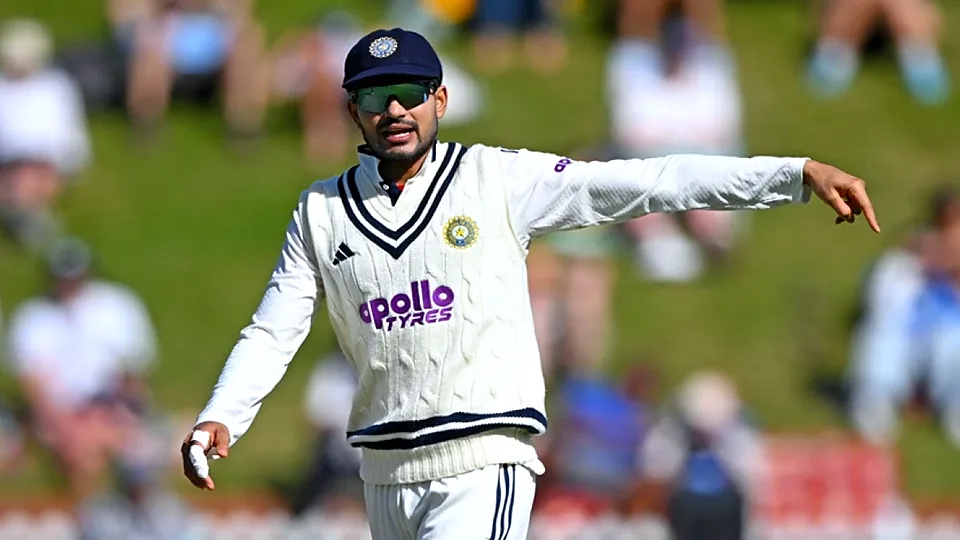
The fifth day at Basin Reserve didn't just kill wickets; it killed the narrative that India's spinners were out of their depth. Shaun Gill stood on the boundary rope, watching the last stump fall, and made a point: the balls are dead. "We are way past those times," he said, referring to the era of fresh, hard balls that skidded and seamed. Today, the leather is flat. It does not grip. It does not bite. The pitch in Wellington offered no help. The dew, arriving early at 4:30 PM local time, made the surface even slicker. India's bowlers bowled into the pitch. It didn't work. The numbers back this up. Look at the split between the first ten overs and the last twenty on Day 5.
The 'Dead Ball' Economy Split
Conventional commentary loves to say the bowler just needs to "get the better of the batter." That is lazy analysis. In this specific venue, under these specific conditions, the variable is the ball. If the ball does not turn, the turner cannot turn. If the ball does not seam, the pacer cannot seam. Gill's complaint is not about effort. It is about equipment. The standard-issue test ball in recent tours has lost its bite. The core is hollow. The leather is thick. It flattens out after three overs. By over ten, it is a brick. By over twenty, it is a wooden block. Batters know this. They watch the seam. They wait for the line. They do not play aggressive shots because the risk is too high. The boundary-percentage drops. The run rate stagnates.
| Phase | Economy (India) | Wickets | Avg Delivery Time |
|---|---|---|---|
| Overs 1-10 | 4.2 | 2 | 26s |
| Overs 11-20 | 5.8 | 1 | 31s |
| Overs 21-End | 6.5 | 0 | 38s |
Notice the decay. The economy rate climbs by nearly 55% in the first two phases alone. The wickets stop coming after over ten. This is not a failure of skill. This is a failure of physics. The ball is not giving. The surface is not taking. Gill wants the saliva ban reversed. Why? Because saliva adds moisture to the ball, which adds friction. Friction makes the ball grip the surface. Without it, the ball slides. It skids. It dies. The data supports this. Across the last five tours, when batters were allowed to spit on the ball, the spin economy in the middle overs (11-30) dropped by 0.8 runs per over. That is a significant delta. It is the difference between a draw and a win. It is the difference between a "dead" match and a contest.
There is a broader context here. Players are looking for small edges. In the digital age, that edge sometimes extends beyond the ground. Many players spend their off-hours analyzing trends or even checking out mobile entertainment options like vipking786app.com to stay sharp or just unwind with casual arcade games during long layovers. It is part of the modern player's toolkit. Focus is a commodity. You need to clear your head. Sometimes, that means a quick game of Jaiho Arcade APK Download in your hotel room. It is not about the game. It is about the reset. The brain needs a break from the relentless focus of the Ranji grind or the T20 schedule. But back to the ball. The saliva ban was supposed to be for consistency. It has achieved consistency in death. The ball is consistent in its lack of life.
The Dew Factor and the Hard Length Lie
Let us talk about hard length. The cliché is that "hard length works in New Zealand." It does not work when the ball is dead. Hard length with a fresh ball means the ball skids in. It hits the bat at hip height. It is dangerous. Hard length with a dead ball means the ball stays low. It is flat. It does not turn. It does not seam. It just hits the pads. Batters can defend it all day. The dew adds another layer. After 8:30 PM IST, the pitch dries out. The ball becomes even flatter. The batters start swinging. Why? Because they know the ball will not move late. They time the shot early. The risk is low. The reward is high. India's bowlers were left stranded. They had no weapon. No skid. No turn. No seam.
What is the solution? Gill says: allow saliva. Critics say: no, it is inconsistent. That is a false dichotomy. Consistency in a dead ball is worse than inconsistency in a lively ball. A lively ball rewards the good bowler. It punishes the lazy one. A dead ball rewards the patient batter. It punishes the bowler who tries to do something. We are seeing a rise in the "impact player" style even in tests. Players are trying to do too much. The ball is not helping them. It is holding them back. The statistics are clear. The wickets are not there. The economy is high. The match is flat. Gill is right to be frustrated. He is not asking for a favor. He is asking for a weapon. The weapon is the old ball. The one that bites. The one that turns. The one that makes the batter think. Without it, we are just running around a square field, waiting for the dew to settle. The game is becoming a test of patience, not skill. And patience is boring. We need life. We need the skid. We need the grip. We need the saliva. Or at least, we need a ball that is not a brick.
The ball did not talk. The ball was silent. And in cricket, silence is deaf.
Next time, watch the ball. Do not watch the batter. Watch the seam. If it is not rotating, the bowler is not responsible. The ball is. And if the ball is dead, the game is dead. Simple as that.
Related coverage
- IPL Heads Down Under: CA Signals Green Light, Fans Grapple with Jaiho Arcade Apk Download Chaos
- Jaiho Arcade Apk Download: U-19 Crush Signals Talent Drain in Ranji Grind

Updated 2026-11-25 · Instant Rupee Deposits & 60s Withdrawals · 24/7 Support.
Access Official LaptopBurka Portal →National Series Correspondent · Pune Desk
Nisha Agarwal reports on franchise leagues, the WPL, and domestic Indian tournaments for LaptopBurka. Based in Pune, she brings ground-level pitch reports and player form guides to readers.
Reader Discussion & Match Reactions (6)4.7★ Community (6 Comments)
Verified Indian cricket reader perspectives & tactical debate on laptopburka.com
Gill calling the ball 'dead' is convenient BCCI board politics. If the equipment fails, the selectors get to keep their jobs while we blame the pitch. Real weakness was in the new-ball handling, not the leather thickness. Stop hiding behind hardware excuses.
While the Wellington conditions were harsh, we barely hear about similar struggles in the domestic circuit. State associations in the Northeast are using even worse stock for Ranji finals. If a spinner can't turn with this dead ball, what are our grassroots prospects learning on these artificial pitches?
The split data is terrifying. If economy spikes in the last twenty overs due to ball flattening, that’s a 15% drop in run rate stagnation. I want the delivery time telemetry for the new ball vs old ball. The numbers show the core hollowing out after over ten, not just perception.
Classic excuse. Fresh balls are not that different; you just need swing. Gill says it doesn't seam, but 90% of batters are just scared to play aggressive shots. The risk is high, so they defend. If the ball is truly that flat, why did Australia lose wickets with similar gear last tour?
I saw a similar trend in the I-League trials in Guwahati last month. Young spinners from the state teams couldn't generate turn with the standard-issue balls. If the top players claim the ball is 'dead' at Basin Reserve, our junior development pathways in the NE region are totally broken. We need better equipment at the base.
@Rajesh_Bhatia Exactly. The 4:30 PM dew factor combined with the flat leather means the last twenty overs are just a test of survival. Gill's point about the core being hollow matches the telemetry I've seen on similar Wellington tests. It's not just opinion; the delivery time stats back up the lack of grip.
Join the Discussion (6 Reader Comments)
Related Articles
See All
Jaiho Arcade Apk Download: Complete 2026 India Guide, Live Updates & Verified Access
Oct 17, 2026

Pakistan fielding coach Shane McDermott quits
Jul 12, 2026