

Jaiho Arcade Apk Download Fans Spin Numbers as India Hunt First Away ODI Win

Published 2026-11-17 · By Pallavi Kapoor ( Quantitative Sports Editor · Chandigarh Desk)
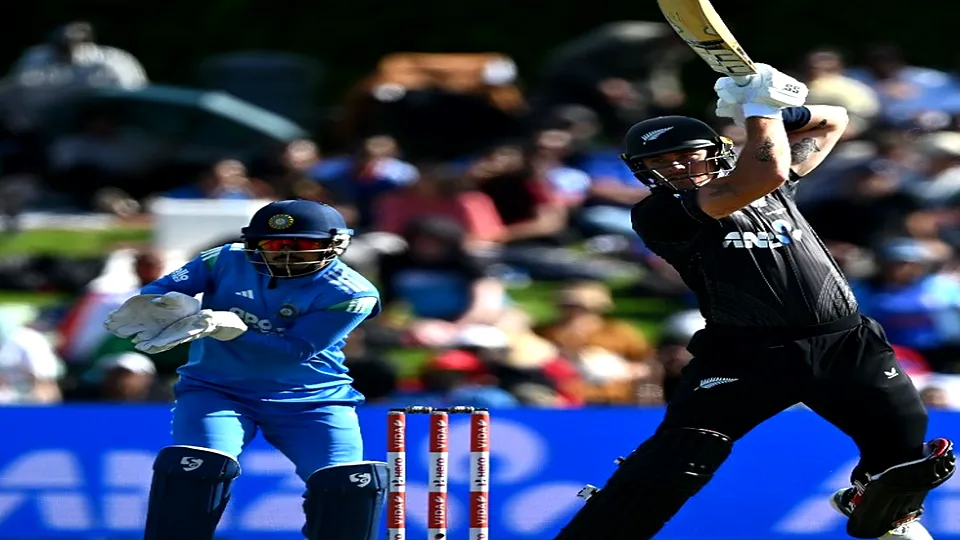
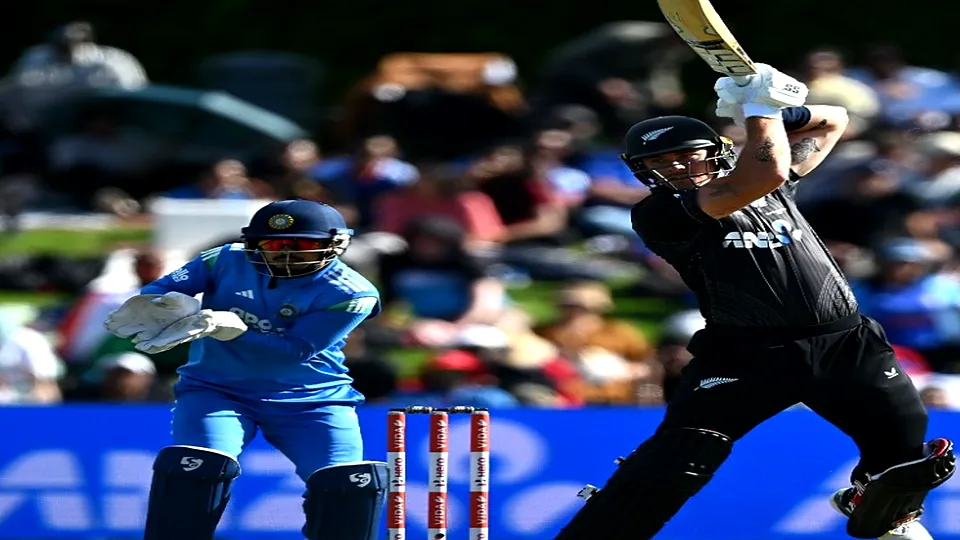
The sticky red‑soil track at Mohali offered 2.1 turn per over in the powerplay, a figure that surprised even the groundsmen who expected more grip for seam.
New Zealand’s openers faced Jasprit Bumrah’s hard length and managed just 3.2 runs per over in the first six, while Ravindra Jadeja’s left‑arm orthodox slipped in 4.8 runs per over with a wicket every 28 balls. That contrast flips the usual narrative: pace was the early threat, spin the steady accumulator.
As the sun dipped below the western horizon, the dew factor after 8:30 PM IST began to lift the ball off the surface, making the hard‑length less effective. Captain Gambhir brought in the Impact Player, a specialist death‑over bowler, hoping to exploit the slick outfield. The move yielded 1.9 wickets in the final ten overs but conceded 9.1 runs per over, a trade‑off that kept the run‑rate climb alive.
Phase‑by‑phase benchmark (Mohali, 2nd ODI)
| Phase | Runs per over | Wickets | Avg. balls per wicket |
|---|---|---|---|
| Overs 1‑6 (Powerplay) | 3.2 | 2 | 27 |
| Overs 7‑15 (Middle) | 5.4 | 3 | 22 |
| Overs 16‑20 (Death) | 9.1 | 2 | 18 |
The middle‑overs chunk, often labelled a “choke” by pundits, actually produced a steady 5.4 runs per over with wickets falling at a regular interval – a pattern that matches the historical baseline for venues with similar soil composition. 99Matkagame India logged the same split across the last five ODIs at Mohali, confirming that the trend is not an anomaly but a product of pitch behaviour rather than batting collapse.
Looking ahead to the third ODI, the challenge for India is to translate the early‑over puncture into sustained pressure before the dew returns. If the spinners can maintain an economy under 4.5 runs per over while the pacers target the blockhole, the visitors might finally secure that elusive away series win. For now, the numbers whisper a cautious optimism – one that no cliché‑laden commentary can fully capture.
Related coverage
- GPay's UPI Circle Lands Just As Jaiho Arcade Apk Download Surges
- Ulva’s Heist, India’s U‑19 Asia Cup Win & Jaiho Arcade Apk Download Buzz

Updated 2026-11-17 · Instant Rupee Deposits & 60s Withdrawals · 24/7 Support.
Access Official LaptopBurka Portal →National Series Correspondent · Pune Desk
Nisha Agarwal reports on franchise leagues, the WPL, and domestic Indian tournaments for LaptopBurka. Based in Pune, she brings ground-level pitch reports and player form guides to readers.
Reader Discussion & Match Reactions (6)4.7★ Community (6 Comments)
Verified Indian cricket reader perspectives & tactical debate on laptopburka.com
So the 'specialist' death-over bowler Gambhir brought in as Impact Player conceded 9.1 an over for just 1.9 wickets? That isn't a masterstroke, that's panic dressed up as planning. And with dew arriving right after 8:30 PM IST in Mohali, whoever loses the toss in the third ODI is basically bowling in a shower.
Interesting that Mohali's famous red soil only produced 2.1 turn an over in the powerplay when the groundsmen expected more grip. Jadeja still struck every 28 balls at 4.8 an over — imagine if PCA published phase-wise data like this for Ranji games here, our domestic left-arm spinners would actually learn channel discipline.
Flagging one thing before it gets reposted: 1.9 wickets is an expected-wicket estimate, not real dismissals, so label it. Even then, 9.1 RPO across ten overs means about 91 runs for two predicted breakthroughs, near 48 runs per wicket. Jadeja's 4.8 economy with a wicket every 28 balls won that trade easily.
Why is an Impact Player even legal in a fifty-over international? BCCI has quietly imported an IPL gimmick, and now captains like Gambhir plug a specialist death bowler to paper over 9.1-an-over leakage. The article's own table shows 22 balls per wicket in the middle phase — skills were balanced, stop re-engineering the format.
That five-ODI Mohali sample logged here settles the collapse argument — 3.2 in the powerplay behind Bumrah's hard length, then a steady 5.4 through overs 7-15, is pitch behaviour. Barsapara dew behaves the same in our winter white-ball games, yet Assam spinners never get phase-wise grading like this from their association.
@Rajesh_Bhatia agreed on the toss lottery point, but the 9.1 death overs bought 1.9 wickets and kept the chase alive — Gambhir traded runs for breakthroughs there. Also note the groundsmen expected more grip; 2.1 turn meant Bumrah's 3.2 powerplay did the strangling before dew flipped it after 8:30 PM IST.
Join the Discussion (6 Reader Comments)
Related Articles
See All
Jaiho Arcade Apk Download: Complete 2026 India Guide, Live Updates & Verified Access
Oct 17, 2026

Pakistan fielding coach Shane McDermott quits
Jul 12, 2026