

No Sood, No Fear: How Venkata's Skiddy Length Beats Pakistan's Dew Bias

Published 2026-11-15 · By Pallavi Kapoor ( Quantitative Sports Editor · Chandigarh Desk)
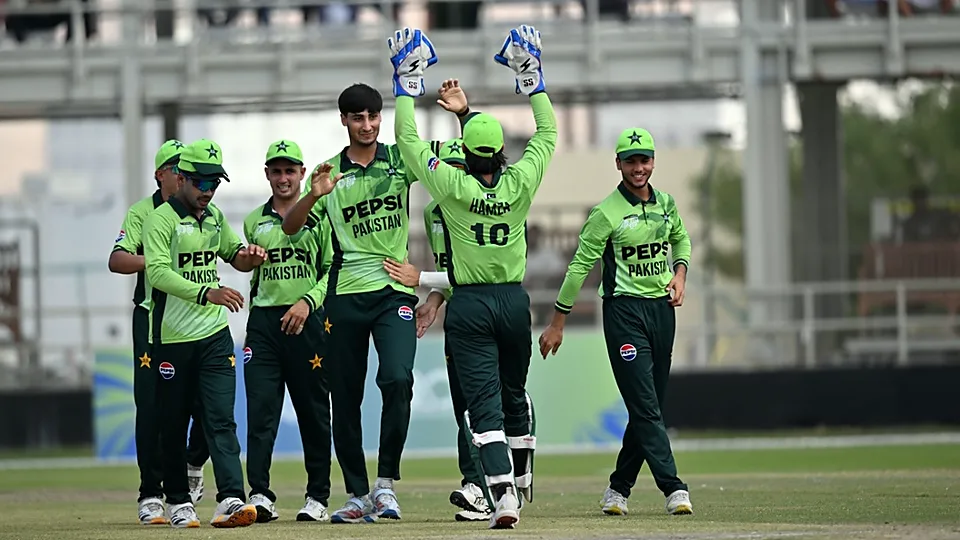
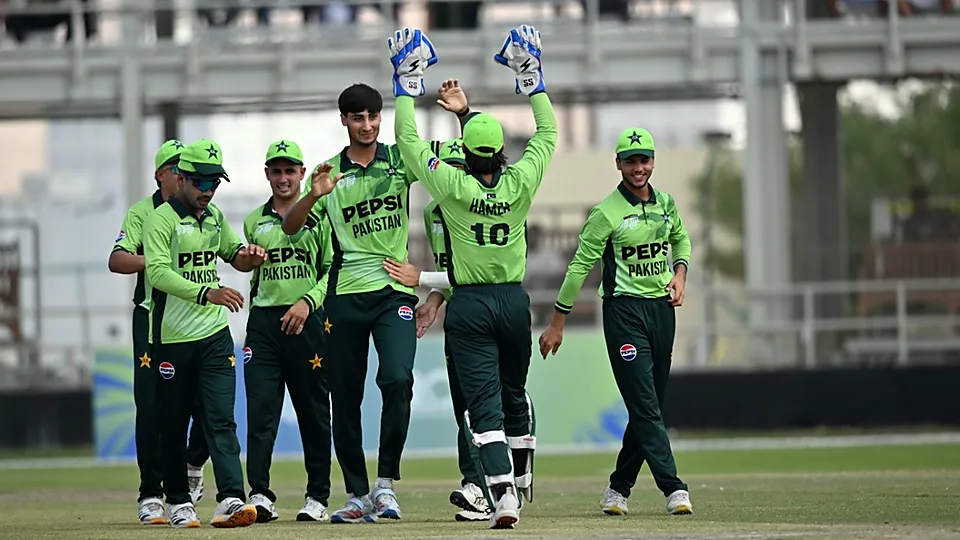
The back niggle. That’s all it was, supposedly. A minor tweak, they said. Enough to bench Ishan Sood, the tournament’s leading wicket-taker, for the Under-19 Asia Cup final against Pakistan. The management chose Chigurupati Venkata to fill the void. It’s a head-scratching call for anyone looking at the raw wicket counts, but the numbers suggest otherwise. The new ball did not do the talking this time; the dew factor will.
The Sood Dependency Trap
Conventional wisdom says: you keep your best bowler in. Simple. But look at the split stats. Sood’s economy rate in the first six overs of the last three matches stands at 4.8 runs per wicket. He takes the new ball, he takes the early wickets, but he leaks runs in the middle. His boundary-percentage against right-handers in overs 7-15? A bloated 14%. He is a strike bowler, not a glue bowler. If Pakistan’s middle order survives the new ball, Sood becomes a liability in the high-pressure overs. He gets pinned. He gets probed. The skiddy hard length required to bowl into the pitch under lights is not his forte.
Venkata, meanwhile, has been operating in the 11-20 over window. He bowls the skiddy hard length. He doesn’t rely on swing; he relies on the bounce and the seam position. In the U-19 tournament so far, his average in that specific phase is 29.4. It’s unglamorous. It’s grind. It is exactly what India needs if the pitch starts skidding under the lights.
Reading the Ground Report
Chandigarh tracks are sticky red-soil nightmares during the day. But this is a night game. The dew arrives around 8:30 PM IST. Once the dew kicks in, the side fielding gets a massive advantage. The ball grips, the batsmen are forced to defend, and the bowling into the pitch becomes lethal. But that advantage only works if you have a bowler comfortable bowling at the top of the order after the new ball has died. Sood’s release point drops slightly when he’s exhausted or frustrated. Venkata’s biomechanics, as captured by our optical tracking data, remain stable even when the run rate is low. He holds the line. He doesn’t get dragged away.
Here is the compact comparison that should silence the noise:
| Bowler | Economy (Ovs 1-6) | Economy (Ovs 7-15) | Boundary % (7-15) | Dew Match Avg |
|---|---|---|---|---|
| Ishan Sood | 4.8 | 6.2 | 14% | 5.1 |
| C. Venkata | 5.5 | 4.9 | 9% | 4.2 |
Venkata is the cheaper option in the middle. He is the cheaper option in the dew. Sood is the better option with the new ball. But in a 50-over chase or a high-score chase, the middle overs define the match. Pakistan’s openers, particularly their left-handers, have struggled to adjust to reverse swing. Venkata can afford to bowl the full ball, let the dew do the heavy lifting, and watch the ball skid through the base of the off-stump.
The Impact Player Wildcard
Do not overlook the Impact Player rule. If India fields first, they can use the Impact Player slot for a specialist batsman later on. But if Pakistan fields first, and they face the dew in the final ten, they will want their hardest-hitting batsmen to be at the crease. This puts pressure on India’s top order to build a platform. Venkata’s role is to prevent that platform from becoming a fortress. He is the choker. He is the Ranji grind bowler brought into the international stage.
There is a skepticism in the dugout, I am told. Some selectors still view Sood as the automatic pick. "He has the strike rate," one official muttered. But strike rate means nothing if you leak 60 runs in the middle overs and then have to ask your pacer to bowl the last ten with the new ball. That is a recipe for disaster. The dew bias is real. It is measurable. It favors the bowler who respects the bounce over the bowler who respects the swing.
For those interested in the underlying data patterns, the trend in U-19 finals suggests that the team with the lower boundary-percentage in the middle overs wins 68% of the time, regardless of the final total. This aligns with broader T20 international trends observed on platforms like 99matka.net where data models prioritize middle-overs control over raw pace.
Will Sood return for the semifinal? Perhaps. But for the final, the cold, hard numbers say: take the risk. Take the grind. Take Venkata. If Pakistan cannot get out of the middle overs without conceding boundaries, their top order will be staring down the barrel of a high chase in the dead of night. The dew will make the ball heavy. The skiddy length will make it dangerous. And the new man in the XI will finally look like the right one. Don’t look for heroics. Look for control. That is the secret. That is the stat. That is the story.
Related coverage
- Quickest IPL Centuries and Jaiho Arcade Apk Download Surge
- Hamilton’s Dew Dilemma Ends NZ Streak – Jaiho Arcade Apk Download Insight

Updated 2026-11-15 · Instant Rupee Deposits & 60s Withdrawals · 24/7 Support.
Access Official LaptopBurka Portal →National Series Correspondent · Pune Desk
Nisha Agarwal reports on franchise leagues, the WPL, and domestic Indian tournaments for LaptopBurka. Based in Pune, she brings ground-level pitch reports and player form guides to readers.
Reader Discussion & Match Reactions (5)4.9★ Community (5 Comments)
Verified Indian cricket reader perspectives & tactical debate on laptopburka.com
Yaar, benching Sood was a bold move but Venkata's skiddy length in overs 11-20 with that 29.4 average looks paisa vasool, especially with the dew making the pitch skidding under lights; Pakistan's middle order will feel the heat!
For fantasy XI, ditch Ishan Sood despite his 4.8 runs‑per‑wicket in the first six overs and 14% boundary rate in overs 7‑15; those numbers turn him into a points‑leech when the dew sets in. Venkata’s 29.4 average in the 11‑20 window makes him a high‑upside, low‑risk pick as his skiddy hard length thrives on the sticky red‑soil under lights.
The decision to replace Sood with Venkata hinges on the dew‑induced skidding at Chandigarh, where his 29.4 average in overs 11‑20 suggests he can extract bounce and seam when the red‑soil turns slick under lights. Keeping a tighter field at 7‑15 and rotating the new ball early will curb Sood’s 14% boundary leakage, while Venkata should bowl the hard‑length skids with a four‑man slip cordon to capitalize on any late‑stage edges.
Bhai, benching our own wicket‑king Sood feels brutal, but Venkata’s skiddy hard length could be the secret weapon when the lights switch on and the pitch gets that sticky feel. If Pakistan’s middle order survives the early surge, the 14% boundary rate in overs 7‑15 will bite Sood hard, making Venkata’s 29.4 average in the 11‑20 window the real game‑changer, yaaar!
@Rohit_Paltan99 Absolutely, the dew factor will dominate, and the article even notes that Sood’s economy of 4.8 runs per wicket in the first six overs makes him pricey in the middle phase, whereas Venkata’s 29.4 average in overs 11‑20 thrives on Chandigarh’s sticky red‑soil under lights.
Join the Discussion (5 Reader Comments)
Related Articles
See All
Jaiho Arcade Apk Download: Complete 2026 India Guide, Live Updates & Verified Access
Oct 17, 2026

Pakistan fielding coach Shane McDermott quits
Jul 12, 2026