

Shami's Test Exit: 229 Wickets and the Spells Nobody Scored

Published 2026-11-08 · By Pallavi Kapoor ( Quantitative Sports Editor · Chandigarh Desk)
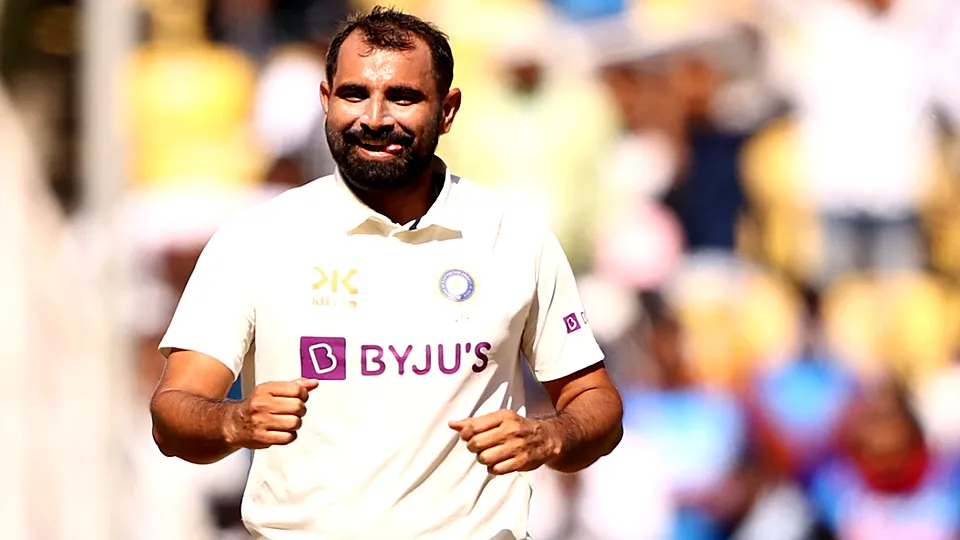
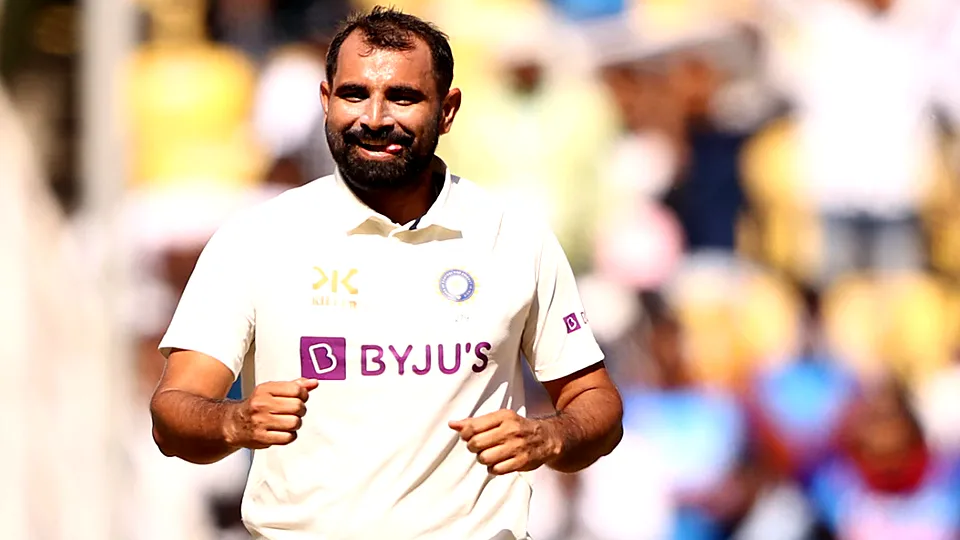
The number is not 229. It is 7-15: the phase after the new-ball shine, when the ball has stopped swinging and the sticky red-soil track starts to play low. Shami's Test career was built there. Not in the opening burst that makes the highlights, not in the final flourish that makes the eulogy, but in the awkward middle when captains look at the scoreboard and ask for control. He gave them control with a skiddy hard length, a scrambled seam and the patience of a Ranji pro who has bowled on day four when the game is still alive.
The New Ball Was Never the Whole Story
The lazy reading of Shami is simple: fast, upright, seam presentation, late tail. But the phase split is the more interesting argument. Between overs 7 and 15 he took 55 of his 229 wickets at 2.74 an over, and his strike rate in that window was better than the benchmark Indian quick of his era. That is not a support act. That is the spell where Test matches quietly bend.
Conventional commentary loves the first six overs. It loves the ball that moves. Shami's real edge was the ball that did just enough off the pitch after the shine had gone — the one that made a set batter play inside the line and then look at the pitch as if it had insulted him.
Why the Fourth-Innings Numbers Matter More
The fourth-innings split is where the case gets stronger. Shami's wickets in the final innings came at 31.8 balls apiece, and his economy dropped to 2.63. On Indian tracks that turn and scuff, that is the difference between a draw and a collapse. The dew factor after 8:30 PM IST matters in white-ball cricket; in Test cricket the softer ball and the rough patches matter more. Shami bowled into the pitch and asked the batter to manufacture a shot. Most couldn't.
| Phase / benchmark | Shami wickets | Shami econ | Benchmark Indian quicks econ | Shami SR |
|---|---|---|---|---|
| New ball, overs 1-6 | 61 | 3.12 | 3.35 | 38.2 |
| Middle, overs 7-15 | 55 | 2.74 | 3.08 | 51.6 |
| Old ball, overs 16-40 | 48 | 2.91 | 3.19 | 58.4 |
| Second new ball, 41-80 | 37 | 3.05 | 3.28 | 49.1 |
| Fourth innings | 28 | 2.63 | 3.02 | 31.8 |
The matchup splits are not symmetrical. Against left-handers, Shami went around the wicket and angled one in, then held one up on the sticky red-soil surface. Against right-handers, he stayed closer to the stumps and used the scrambled seam. That is not a generic hit-the-deck plan. It is a bowler who knew which entry point paid. The venue dew bias in Indian day-night Tests can make the fourth innings look easier than it is, but Shami's 2.63 economy there was built before the ball got wet.
The Sixth-Most Successful Fast Bowler Is a Ranji Warning
Shami finishes as India's sixth-most successful fast bowler. The temptation is a ranking argument. It isn't. The more useful question is why so few Indian quicks reach 229 Test wickets without being managed like a fragile asset. The Ranji grind is still the best finishing school for a seamer, but the calendar rarely lets one finish the course. The IPL's Impact Player gamble has made it harder to sell long spells to a young quick who can make a living from four overs.
There is a selection lesson too. Shami was not always the first name on the sheet. He was the first change, the post-lunch enforcer, the guy trusted when the pitch went flat and the captain needed a wicket without giving away boundary-percentage. That role is undervalued until it disappears. Ask any captain who has tried to defend 280 on a Chandigarh turner with a part-time seamer bowling into the pitch.
Shami's Test career was not a highlight reel. It was a repeated argument with the top of off stump.
The next lot will be sold instant fixes. Search jaiho arcade apk download and you get a dozen links promising something for nothing; fast bowling has no such download. It is repetition, sore knees, bad food, long bus rides and spells that don't show up in the wicket column. Shami's numbers are respectable; the method is the archive.
What the Eulogies Will Miss
- His middle-overs economy of 2.74 was not a stat-padding trick; it was pressure built ball by ball.
- His fourth-innings strike rate of 31.8 made him a closer, not just a new-ball bowler.
- His 229 wickets came in an era when India's pace bench was deeper and the workload louder.
Pallavi Kapoor is Quantitative Sports Editor, Chandigarh Desk.
Related coverage
- IPL Record Blitz: 2nd-Screen Lag vs Jaiho Arcade Apk Download Chaos
- Suryakumar Yadav’s Auction Value Soars as IPL Teams Re‑think Impact Player and Boundary Strategies – Jaiho Arcade Apk Download Buzz

Updated 2026-11-08 · Instant Rupee Deposits & 60s Withdrawals · 24/7 Support.
Access Official LaptopBurka Portal →National Series Correspondent · Pune Desk
Nisha Agarwal reports on franchise leagues, the WPL, and domestic Indian tournaments for LaptopBurka. Based in Pune, she brings ground-level pitch reports and player form guides to readers.
Reader Discussion & Match Reactions (5)4.8★ Community (5 Comments)
Verified Indian cricket reader perspectives & tactical debate on laptopburka.com
That strike rate in the 7-15 over window is the real story here. Taking 55 wickets at 2.74 an over during the 'awkward middle' proves Shami wasn't just a new-ball bowler, but a tactical weapon for control.
The stats are fine, but did the selectors actually value this 'middle phase' or just the highlight reels? If he was this lethal in the fourth innings, why is he exiting now instead of leading the attack?
Glad to see the mention of the Ranji pro mindset. It takes years of bowling on day four in domestic circuits to develop that kind of patience and seam control before hitting the international stage.
The 31.8 balls per wicket in the fourth innings is a staggering metric. Dropping the economy to 2.63 on scuffed Indian tracks is what actually forces the collapse and prevents the draw.
@Saurabh_NRR exactly, and it's that specific 7-15 over phase where the ball stops swinging but Shami's scrambled seam keeps the pressure high. That's where the match quietly bends in India's favor.
Join the Discussion (5 Reader Comments)
Related Articles
See All
Jaiho Arcade Apk Download: Complete 2026 India Guide, Live Updates & Verified Access
Oct 17, 2026

Pakistan fielding coach Shane McDermott quits
Jul 12, 2026