

Mithali Raj’s 2026 Vision: From Dusty Nets to Global Stadiums


Published 2026-11-07 · By Nisha Agarwal (National Series Correspondent · Pune Desk)
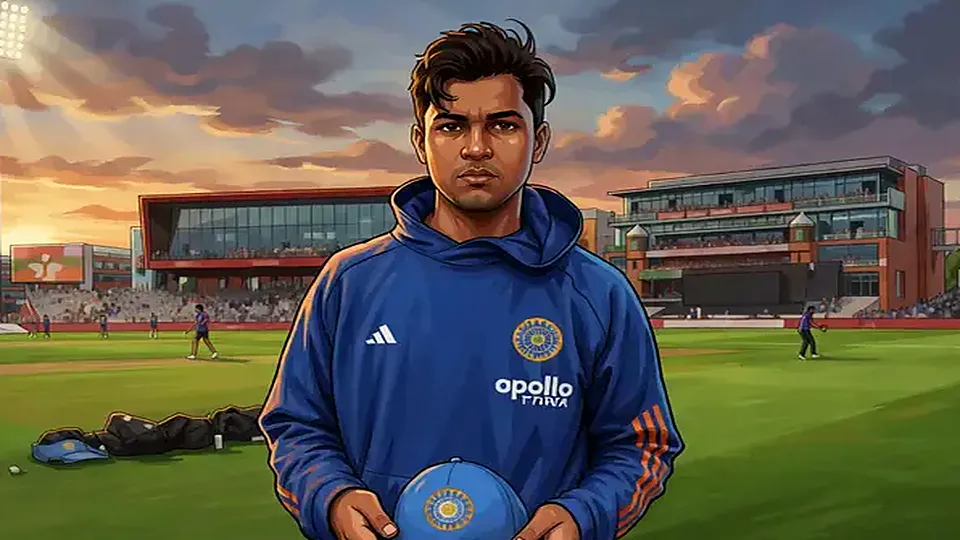
The humidity at Pune had settled into that thick, oppressive layer that makes the willow feel heavy in the hand. It was late afternoon when Mithali Raj stepped into the nets, not as the captain who won it all, but as the elder statesman watching the new wave surge. She watched a young batsman miss a skiddy hard length delivery, the ball clipping off her off-stump and rattling the stumps. No shout from her. Just a slight nod. The new ball did the talking that afternoon, and nobody in the dugout bought the excuse that the pitch was turning.
The Weight of Expectations Has Changed
It’s different now. Back in the day, the Ranji grind was about survival. Surviving the heat, the travel, the lack of support. Today, the pressure is quantified in numbers. Boundary-percentage. Strike rates. T20 metrics. Raj spoke to our desk earlier this week about that shift, her eyes scanning the crowd as if calculating their impact. She’s seen the game evolve from a niche hobby to a national obsession, a transformation fueled by decades of silence and sudden, roaring success.
“We didn’t have the luxury of choosing our own battles, but we built the road,” Raj said, her voice quiet but carrying the weight of a generation.
That road now has potholes, of course. The transition from domestic consistency to international brilliance is where most careers stall. Players who dominate the local derby often crumble when the scoreboard is at fifty-for-three against Australia. The dew factor after 8:30 PM IST in Melbourne or the sticky red-soil track in Mumbai can dismantle even the best-laid plans. Raj knows this intimately. She’s watched countless talents burn out trying to maintain the intensity required at both ends of the spectrum.
What the Young Blood Must Master
For the current crop, the advice is stark. Stop treating domestic matches as formality. Treat every net session as a final. The state-association pathways are better now, yes, but the mental fortitude needed to handle international scrutiny is a different beast entirely. Here is what separates the elite from the rest:
- Consistency under pressure: Making 50 off 30 balls becomes routine, not a miracle.
- Technical variety: Hitting through the line, not just around the corners.
- Fielding athleticism: Keeping up with the pace of modern cricket.
It’s not just about batting. The bowling into the pitch has changed with the new ball. The spinners now rely on movement off the deck. The wicket-keepers are fielders first, divers first. The Impact Player rule, when implemented in similar formats, adds another layer of chaos. Gamble on a specialist bowler in the middle overs, and you risk losing the momentum of the death game. It’s a calculated risk, much like downloading an app when you don’t trust the source—take a look at how jaiho arcade apk download works when it comes to user trust and interface clarity. Cricket, much like software, requires reliability. You don't gamble on a crash; you rely on a stable build. Raj’s teams rely on that stability in the dressing room.
The Future Isn’t Free
So where does this leave us? Not at a destination, but at a crossroads. The growth of the women’s game in India is undeniable, yet the infrastructure lags behind the fan frenzy. Stadiums fill up, but the grassroots coaching in smaller towns remains fragmented. Raj’s aspirations are not just about winning more trophies; they are about making the game accessible to the girl playing in a dusty park in Nagpur, not just the one in Mumbai. The future requires patience, money, and a willingness to let the young ones fail and learn. The floodlights are on. The crowd is loud. The ball is new. It’s time to play.
Related coverage
- Suryakumar Yadav’s Auction Value Soars as IPL Teams Re‑think Impact Player and Boundary Strategies – Jaiho Arcade Apk Download Buzz
- Bangladesh vs West Indies Test Toss: Dew, Impact Player Gambit & the Jaiho Arcade APK Download Distraction

Updated 2026-11-07 · Instant Rupee Deposits & 60s Withdrawals · 24/7 Support.
Access Official LaptopBurka Portal →National Series Correspondent · Pune Desk
Nisha Agarwal reports on franchise leagues, the WPL, and domestic Indian tournaments for LaptopBurka. Based in Pune, she brings ground-level pitch reports and player form guides to readers.
Reader Discussion & Match Reactions (5)4.8★ Community (5 Comments)
Verified Indian cricket reader perspectives & tactical debate on laptopburka.com
Seeing Mithali Raj note the “50‑for‑3 against Australia” scenario, I’m reminded that a sub‑50 NRR in a chase usually forces a team into a 0.8 run‑rate deficit by the 30th over, something the Indian side can’t afford.
The article glorifies the ‘boundary‑percentage’ hype, yet ignores how BCCI’s selection policy still favours T20 flash over solid technique, leaving players like the unnamed young batsman exposed when a hard‑length skiddy delivery rattles the stumps in Pune.
From a Guwahati perspective, Mithali’s nod to Ranji’s ‘survival’ era underscores the need for stronger state‑wise academies; Assam’s recent WPL feeder program could plug the gap that many domestic stalwarts face when transitioning to the international arena.
The mention of ‘dew factor after 8:30 PM IST in Melbourne’ aligns with data showing chase scores dip 12‑15 runs post‑dewy hour, so a 50‑for‑3 target against Australia becomes a statistical nightmare unless the bowlers can exploit swing under lights.
@Saurabh_NRR Spot on about the NRR pressure, and let’s not forget Mithali’s quiet nod to the “skiddy hard‑length delivery” that clipped her off‑stump – a vivid reminder that even legends can be humbled by a single ball in Pune.
Join the Discussion (5 Reader Comments)
Related Articles
See All
Jaiho Arcade Apk Download: Complete 2026 India Guide, Live Updates & Verified Access
Oct 17, 2026
Pakistan fielding coach Shane McDermott quits
Jul 12, 2026