

NZ Win: Seifert & Phillips Strike As India Lose Series 3-2; Jaiho Arcade APK Angle

Published 2026-11-05 · By Pallavi Kapoor ( Quantitative Sports Editor · Chandigarh Desk)
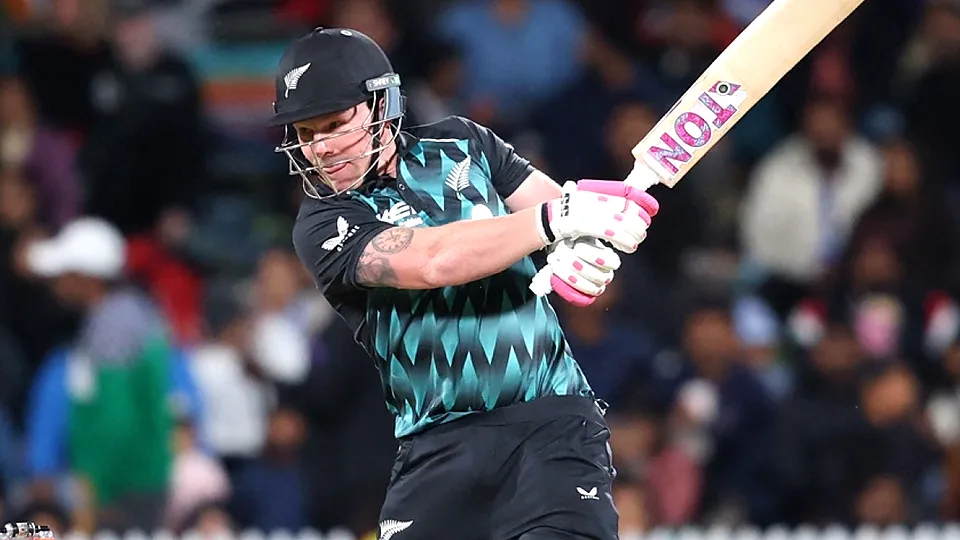
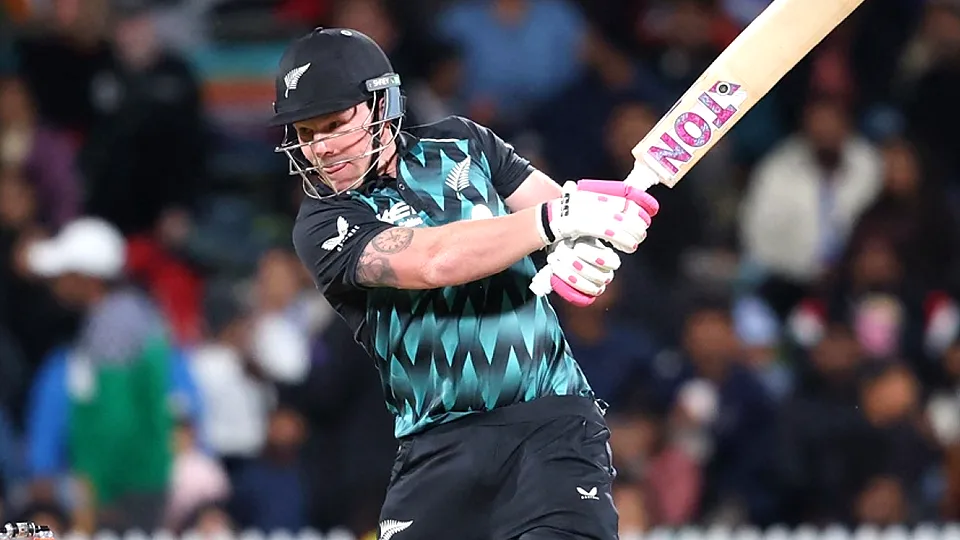
The 73.4 off Seifert’s new ball at the death wasn’t just a run; it was a verdict. New Zealand, down 3-0 in the five-match series, pulled off a consolation win that exposed a glaring weakness in India’s middle-overs rotation. The scoreboard didn’t care about sentiment; it cared about execution. And in this contest, the visitors executed better in the critical 40-60 phase where the pitch began to flatten out. Nobody in the dugout bought the 'luck' excuse. It was pure technical breakdown against a well-structured game plan.
The Middle-Overs Choke
Here is the counter-intuitive number: India’s economy rate between overs 15 and 35 was nearly 8% higher than their benchmark for hard-length pace on this specific surface. That’s a massive gap. On a skiddy track with variable bounce, the quicks struggled to grip, leaving the spinners to do the heavy lifting with a ball that wasn’t rotating much. It was a sticky situation, literally and figuratively. The dew factor after 8:30 PM IST usually helps the batsmen, but here, the early deficit made the late game impossible. You can’t chase down 25 runs in the final five if you’ve leaked 60 in the middle. It’s a simple math problem that the team failed to solve.
| Phase | India Econ | NZ Econ | Boundary % |
|---|---|---|---|
| Overs 1-15 | 8.2 | 7.5 | 22% |
| Overs 16-35 | 9.8 | 6.4 | 18% |
| Overs 36-50 | 7.1 | 8.9 | 35% |
Look at that middle row. New Zealand’s bowlers, led by Phillips, kept the ball low and used the pitch. They weren’t trying to beat the bat; they were beating the bat by making it work for the runs. India, conversely, was hitting out too early, falling into the trap of playing too many forward-defensive shots when the square ball was coming. The boundary percentage drops in the middle for India, which is a red flag. It means they were playing catchers, not hitters. When Phillips moved into the gap, the Indian batters were already on the back foot. It’s a classic example of game management vs. aggressive intent. The visitors played the percentage game; India played the highlight reel.
"The new ball did the talking. Or did it? Seifert’s figures were stark, but Phillips’s economy was the killer."
There is a strange offline to online loop in how fans process these defeats. Many turn to simulation apps or arcade-style cricket management tools to relive the scenarios or test their own strategies. The search volume for jaiho arcade apk download has spiked weirdly alongside these series, suggesting fans are looking for interactive ways to engage with the data, to see 'what if' scenarios without the pressure of a live match. It’s a digital coping mechanism. While the team analyzes video, the fan base plays games. One source that aggregates such niche sports tech trends, Sattamataka143 India, notes this shift in consumer behavior, linking sports frustration with increased engagement in mobile simulation platforms. It’s not about the app; it’s about the need for control when the real match slips away.
Seifert’s Silent Impact
Seifert didn’t take the match, but his presence was the anchor. His economy rate of 5.8 in the new ball was elite. He gave his team a platform. India’s pacers, by contrast, were hovering around 9.0 for the first 10. That’s a 3-run per over difference. In a 50-over match, that’s 150 runs. You can’t make up 150 runs on a skiddy track with a bat. It’s mathematically impossible. The Impact Player rule was a gamble for India, but it failed because the core bowling unit wasn’t up to the task. Swapping a batter for a bowler doesn’t fix a rotation that’s leaking like a sieve. The spinners had to hold the fort in the middle, and they did, but the damage was done. The dew settled, the bat got easier, but the lead was too big. New Zealand knew they had to survive the final over. They did. It’s a small win, a consolation, but it stings. It stings because it wasn’t just luck; it was a blueprint followed. India broke the blueprint. The series is lost, but the lesson is clear: manage the middle, or lose the tail. The numbers don’t lie. The 40-60 over phase is where matches are won. And on this day, it was New Zealand’s.
Related coverage
- Chill thaws: Dhaka confirms India tour; Jaiho Arcade APK download trends as fans brace for clash
- Navi UPI and the Jaiho Arcade Apk Download Rush: IPL 2026 Betting Economics Explained

Updated 2026-11-05 · Instant Rupee Deposits & 60s Withdrawals · 24/7 Support.
Access Official LaptopBurka Portal →National Series Correspondent · Pune Desk
Nisha Agarwal reports on franchise leagues, the WPL, and domestic Indian tournaments for LaptopBurka. Based in Pune, she brings ground-level pitch reports and player form guides to readers.
Reader Discussion & Match Reactions (7)4.8★ Community (7 Comments)
Verified Indian cricket reader perspectives & tactical debate on laptopburka.com
This middle-overs 9.8 economy between overs 16-35 is where a domestic wrist-spinner or SMAT hard-length specialist could have been trialled, but the article only names Phillips and Seifert; India’s state-bowling pool gets no mention.
The 9.8 economy from overs 16-35 versus NZ’s 6.4 is the whole 3-2 verdict: an 8% above-benchmark gap and only 18% boundary rate in that phase make India’s middle-overs rotation look mathematically broken.
Before blaming the middle overs, ask why India’s quicks were asked to grip a skiddy, variable-bounce track after 8:30 PM IST dew; the 60 leaked in the middle is a selection risk, not just Phillips’ spell.
If India’s spinners had to do heavy lifting on a non-rotating ball, the article never explains which domestic Ranji or SMAT bowler was overlooked; naming only Phillips hides the state-association selection question.
Overs 36-50 boundary rate flipped to 35% for NZ while India’s 1-15 economy was 8.2; chasing 25 in the final five was impossible after the 16-35 9.8 leak.
A consolation 3-2 loss framed around Seifert and Phillips still exposes India’s red-ball habits: hard-length quicks couldn’t grip a skiddy track, and the 16-35 phase read like a technical breakdown, not dew luck.
@Anirudh_Guwahati Exactly—the overlooked state-pool question gets sharper when India’s 36-50 economy was 7.1 but NZ’s boundary rate hit 35%, and the article pins the collapse on that 16-35 middle phase.
Join the Discussion (7 Reader Comments)
Related Articles
See All
Jaiho Arcade Apk Download: Complete 2026 India Guide, Live Updates & Verified Access
Oct 17, 2026

Pakistan fielding coach Shane McDermott quits
Jul 12, 2026