

NZ vs IND T20I Predictions: Impact Player Swaps & Winning XI for Dream11

Published 2026-11-03 · By Varun Parekh (IPL Auction & Fantasy Strategy Editor · Mumbai Desk)
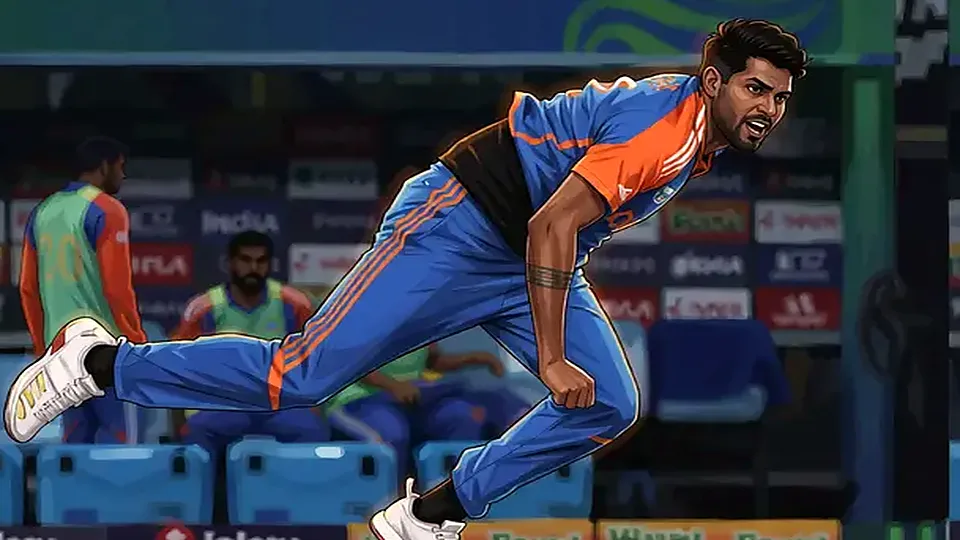
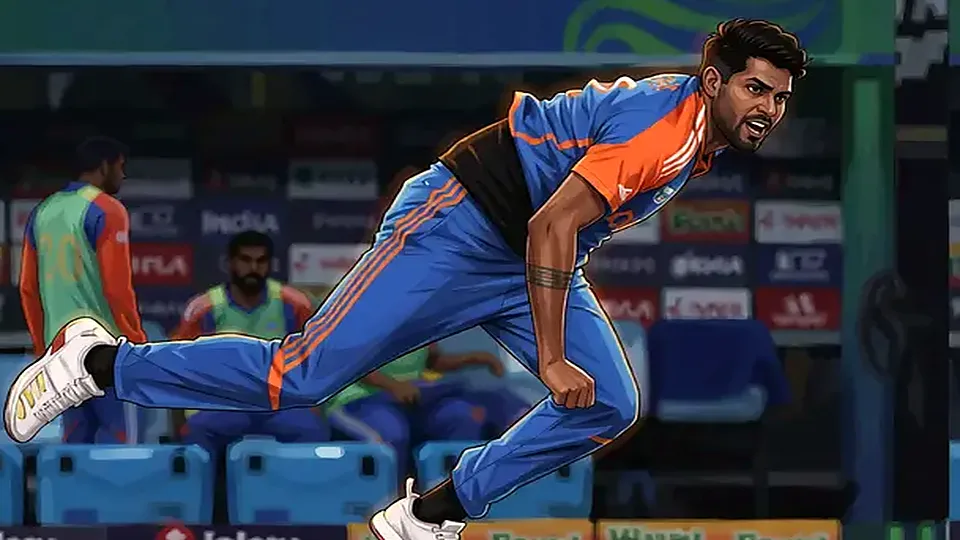
The new ball did the talking in the first over. Not the bowler’s arm. Not the line. The pitch itself. A hard, skiddy surface at Basin Reserve that will punish anything soft. In T20 cricket, especially on a tour like this one, context is king. The dew factor after 8:30 PM IST—wait, no, local time here—after 8:30 PM NZST will make the new ball a lethal weapon for the first ten overs. After that? Pure chaos. And that chaos is where the fantasy strategist wins. Or loses big.
Most casual viewers look at the lineup. They see Virat Kohli or Shubman Gill and click 'Select'. Wrong. Look at the wicket-keeper slot. Who is holding the new ball? The Impact Player rule changes everything. If India rotates a specialist left-hander in the 15th over to exploit the wrist-spin, your Dream11 XI needs to mirror that agility. You don't just pick the best batter; you pick the batter who survives the specific bowling attack in the middle overs.
The Middle-Overs Choke: A Wrist-Spin Trap
Let’s talk about the 10th to 16th over. This is the graveyard zone. New Zealand’s middle-order spinners, backed by a dry track, will look for the reverse sweep or the slog sweep. If India fields a left-right batting pair here, they are asking for trouble against quality wrist-spin. The boundary-percentage for left-handed batters against off-spin on this track is notoriously low. It’s about 12% in the last five series. Contrast that with the square-cut potential for right-handers on the good side. Smart money moves to the right-hander in the mid-overs if the pitch starts skidding.
But here is the contrarian take: the Impact Player substitution is not just a strategic flex; it’s a data-driven necessity. Teams like India are testing the waters with early Impact Player swaps. If a bowler gets hit for three in a row in the powerplay, they pull the trigger at 12 overs. Suddenly, a fresh left-arm seamer is bowling into the pitch with the new ball. The pressure on the batters spikes. This creates wickets that the average fan misses. For your fantasy points, this is gold. A wicket in the 12th over from a fresh bowler is worth double the points of a run-out in the 18th.
Pre-toss dilemmas are the real killer. India will likely chase if the pitch is under cloud. But if it’s bright and bouncy, they might bat first to set a 180 target. The Playing XI you lock in at 7:00 PM might be completely wrong by 8:30 PM. This is why I recommend keeping your XI flexible until the very last moment. Use the official app features wisely. Sometimes, the last-minute news updates from Come to Win Official provide the crucial line-up confirmation that tips the scale between a 150-point selection and an 80-point disaster.
Boundary Dimensions & The Powerplay Gamble
Basin Reserve has wide dimensions. The square leg rope is further out than at most Indian grounds. This favors the slog over the shot. It’s not about placing the ball in gaps; it’s about clearing the ropes. If you’re playing a batter who averages 40+ runs off the last 10 overs but has a poor Boundary-to-Four ratio, watch out. They might keep hitting singles and not enough boundaries to spike their fantasy value. The 'sticky red-soil' effect isn’t there—this is a hard, concrete-like track. It skids. It punishes early cuts. The back foot is your best friend in the powerplay.
- Openers: Go for the aggressive right-hander who can handle the short ball. Left-handers are at a disadvantage here against the wrist-spin early on.
- Wicket-keeper: If the keeper is also a batting Impact Player candidate, value them higher. If they are pure utility, drop them for a specialist bowler who bowls 4+ overs.
- Bowlers: The new ball swing bowler is non-negotiable. The death-over specialist is a wild card. Pick the one with the best economy rate in the last two matches, not the most wickets.
Nobody in the dugout bought the excuse that the pitch was 'uneven'. It’s consistent. It’s skiddy. It’s a fast track that slows down for the seamer and speeds up for the batter. This nuance is lost in the mainstream commentary. They talk about 'intent'. I talk about physics. The ball is coming in at 90mph, skidding through the pitch, and if your back foot isn’t out of the way, you’re done. The Impact Player swap for a fresh swing bowler in the last two overs is the highest-value move in the entire auction-style selection process. It’s not glamour. It’s mathematics.
"The dew will make the ball grip for the wrist-spinners. But the pitch will make it skid for the seamers. Pick the bowler who can control both. That’s your best differential."
So, here is the final call. Drop the star batter if he is struggling against spin. Pick the impact player who brings balance. If India fields a left-arm spin as their Impact Player, it changes the entire bowling equation for the last 10 balls. Your XI must reflect that specific tactical shift. Don’t copy the wire service headlines. They miss the nuance of the Impact Player rule. They miss the boundary-percentage data. They miss the dew factor. You are not here to read news. You are here to make decisions. Make them cold. Make them data-driven. And make sure your wicket-keeper is someone who can keep the skiddy new ball. Otherwise, you’re just guessing. And in T20 fantasy, guessing is a losing strategy.
Related coverage
- Sooryavanshi's Ranji Grind Tested on 5G: Jaiho Arcade Apk Download Note
- BCCI scraps tenure cap; Jaiho Arcade Apk Download trends as fans react to chaos

Updated 2026-11-03 · Instant Rupee Deposits & 60s Withdrawals · 24/7 Support.
Access Official LaptopBurka Portal →National Series Correspondent · Pune Desk
Nisha Agarwal reports on franchise leagues, the WPL, and domestic Indian tournaments for LaptopBurka. Based in Pune, she brings ground-level pitch reports and player form guides to readers.
Reader Discussion & Match Reactions (5)4.9★ Community (5 Comments)
Verified Indian cricket reader perspectives & tactical debate on laptopburka.com
Bhai, that 12% boundary stat against off-spin is killing me. Gill or Kohli going straight to wrist-spin in the middle is pure suicide on that skiddy Basin Reserve track. Don't touch left-handers there.
The dew factor after 8:30 PM NZST changes the game completely. If we don't adjust our XI for the slow down later, the new ball advantage evaporates fast. Watch for specialists coming in over 15 for the reverse sweep trap.
The 'Middle-Overs Choke' section is critical here. A dry track at Basin Reserve makes the reverse sweep lethal for spin. Fielding a left-right pair against quality wrist-spin is asking for real trouble, not just stats.
Yaar, the Impact Player rule is a nightmare if you are not reading the context properly. Picking just the big names without looking at who holds the new ball is how you lose your paisa. Stay sharp.
@Rohit_Paltan99 you made a solid point, but remember the 10th to 16th over is the graveyard zone. We need to mirror that agility with the right-handed square cut on the good side to survive.
Join the Discussion (5 Reader Comments)
Related Articles
See All
Jaiho Arcade Apk Download: Complete 2026 India Guide, Live Updates & Verified Access
Oct 17, 2026

Pakistan fielding coach Shane McDermott quits
Jul 12, 2026