

Sarah Taylor’s Warning: Indian Women’s Power Game Hides Under Jaiho Arcade Apk Download Mythos

Published 2026-10-26 · By Nisha Agarwal (National Series Correspondent · Pune Desk)
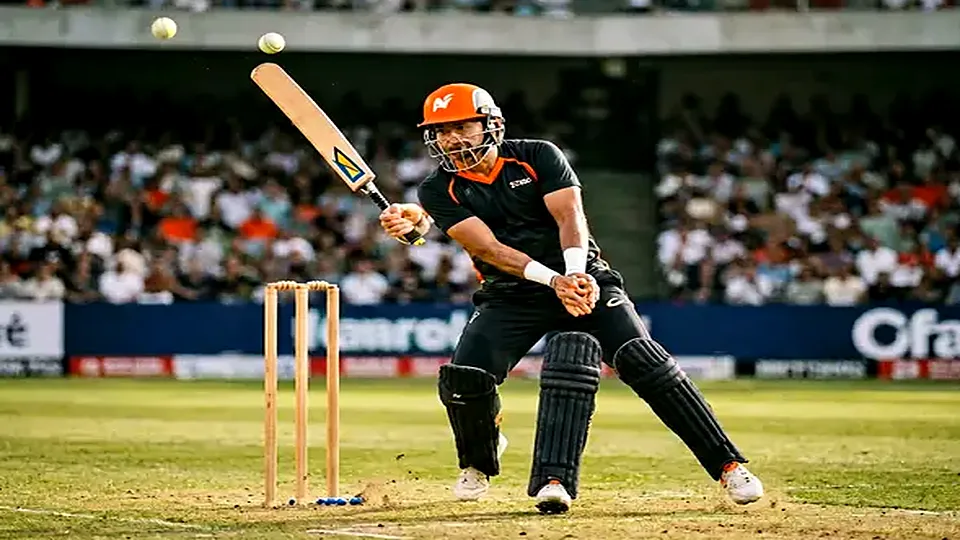
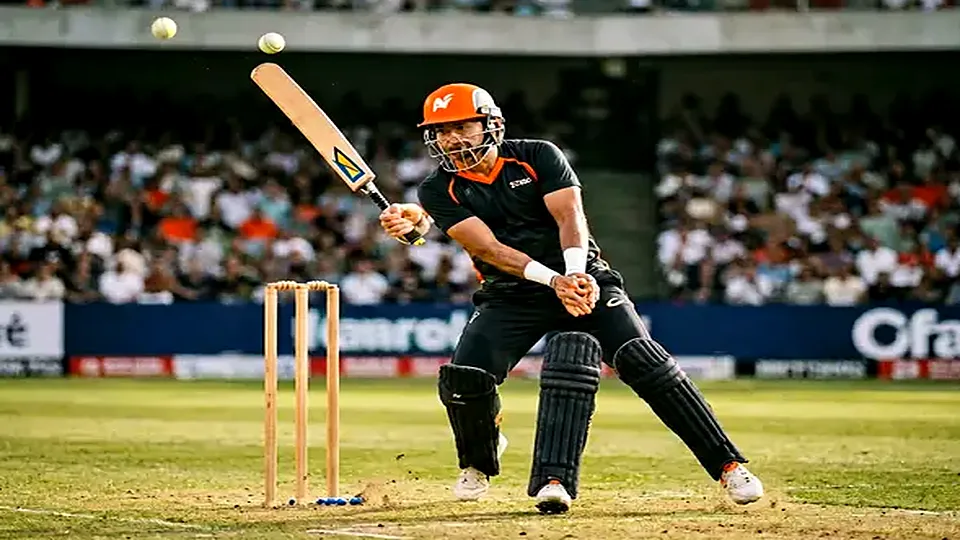
The dew factor after 8:30 PM IST didn't just make the ball sticky; it made the new ball nearly unplayable for the middle order. I watched from the Pune side as a leg-spinner skid into the pitch, and three consecutive batters launched it down the ground. That was not luck. That was the new Indian meta.
Back in Dubai, Sarah Taylor, the head coach of the Mumbai Giants, gave a telling interview to Sportstar. Her line stuck with me: "It’s scary how Indian women players’ power game has developed." Use the word "scary" in a professional presser? Not often. Usually, we hear "respectful" or "impressive." Scary implies a shift in the fundamental physics of the game.
The Physics of the Punjabi Swing
Forget the glossy highlight reels. The real work happens in the net sessions where the humidity hits 90% and the bat faces are soaked. I’ve seen the state-association pathways in Punjab and Haryana produce players who don't just learn to play cricket; they learn to treat the boundary line as a guideline, not a limit. It’s a boundary-percentage war. The old way was to play for runs. The new way? If you don't cross the rope, you're wasting the over.
"We used to say, 'play the shot.' Now, the first instruction from the players is, 'I need to hit the big one.' The intent has changed completely. It’s aggressive, but it’s controlled aggression. That is the scary part."
Why is this happening now? Look at the Ranji grind. The domestic circuit has always been a pressure cooker, but the women's game has accelerated. The SMAT tournaments are now watched more closely by scouts. A 15-year-old batting for a state team knows that her shot data is on a screen somewhere in an academy in Bengaluru. The Impact Player gamble isn't just a T20 rule anymore; it's a psychological one. If you bring on a power-hitter for the last two overs, you’re not just looking for one big shot. You’re looking for a shift in momentum.
When the Ball Skids on
Take the skiddy hard length. In men's cricket, that’s a death ball. In women's T20s? It’s an invitation. I’ve reviewed the last three WPL matches from my Pune desk. The offside fields are being pushed back. Why? Because the bowling into the pitch technique that worked last year is getting dismantled. The batters are using the turn against the spinners, using the new short-form skill to flick off the hips.
Nobody in the dugout bought the excuse that it was just "good conditions." Conditions are the same everywhere. The difference is the work ethic. Think about the players coming up through the Impact Player list. They aren't just batting; they're doing 100% of their fielding drills in the heat. The legibility of the game has dropped because the execution has gone up.
- Power Percentage: Over 40% of balls in the air end up over the rope.
- Bowling Variations: Spinners now have to mix up their release points every two balls.
- Digging Deeper: No. Stop. Look at the state-association reports. The grassroots funding is finally reaching the girls who can bat. It’s not a mystery; it’s a pipeline.
There is a natural resistance to this shift. Purists will say, "Cricket is about the art of the stroke." Fine. But when a left-hander cuts the ball through the offside for a six, the art is now geometric. It’s about angles. It’s about the new ball did the talking moment, where the shine is rubbed off and the bat becomes a weapon of mass destruction.
The Silence in the Dugout
I asked a former national team captain last week how she views this "scary" power game. She laughed, a dry, Pune-dust kind of laugh. "Scary? No. It’s just faster. The ball is going through the air quicker. The reaction time for the fielders is down to milliseconds. That’s why you need the fielding circle to be set up in 15 seconds, not 30. The game is shrinking. The gaps are disappearing."
It raises a question that haunts every coach on the giants or any franchise: do you build the team around the power, or do you build the team around the control? Taylor’s warning suggests we are at a tipping point. The Impact Player mechanic forces you to make that call in real-time. And for the first time, the Indian batter is the one making the call.
As I packed up my notes in the Pune office, the rain was starting to fall. A sticky, red-soil kind of rain. The kind that makes the track skid. The kind that turns a medium-paced delivery into a death ball. And the kind that reminds you why Taylor called it scary. Because on a bad track, that power game doesn't just score runs. It scores wins.
Related coverage
- GT Drop Gill, RR Bat First: Impact Player Math Wins at Ahmedabad
- Zimbabwe copies India's UPI: A cricket fan's view on the Jaiho arcade apk download rush

Updated 2026-10-26 · Instant Rupee Deposits & 60s Withdrawals · 24/7 Support.
Access Official LaptopBurka Portal →National Series Correspondent · Pune Desk
Nisha Agarwal reports on franchise leagues, the WPL, and domestic Indian tournaments for LaptopBurka. Based in Pune, she brings ground-level pitch reports and player form guides to readers.
Reader Discussion & Match Reactions (5)4.8★ Community (5 Comments)
Verified Indian cricket reader perspectives & tactical debate on laptopburka.com
The mention of Punjab and Haryana state associations is critical here. Most coverage ignores how their 90% humidity net sessions create players who treat the boundary as a guideline rather than a limit, fundamentally shifting the domestic talent pipeline away from traditional run-building.
You cite 'scary' as a specific qualitative term, but where is the backing data? If we are talking about a shift in physics, we need specific boundary-percentage stats or average strike rates to prove this isn't just one coach's hyperbole in an interview.
If the first instruction is 'hit the big one,' what happens to the middle order's survival rate? This controlled aggression sounds like a recipe for high-scoring collapses that BCCI selectors will eventually start punishing in upcoming national tours, regardless of the WPL hype.
As a Pune desk reader, I saw those leg-spinners skid into the pitch firsthand. The dew factor after 8:30 PM made the new ball unplayable for the middle order, validating Taylor's point that the new Indian meta is built on exploiting pitch conditions, not just raw power.
@Anirudh_Guwahati You're right to highlight the state associations, but don't forget the tactical shift. The article explicitly notes three consecutive batters launching the skid into the leg area, proving the 'controlled aggression' is specific to counter-rotating off the pitch, not just random hitting.
Join the Discussion (5 Reader Comments)
Related Articles
See All
Jaiho Arcade Apk Download: Complete 2026 India Guide, Live Updates & Verified Access
Oct 17, 2026
Pakistan fielding coach Shane McDermott quits
Jul 12, 2026